Foundation installation in Baldwin Park CA - a base that fits your lot and soil
Building a home or addition and unsure what your lot can hold? We match the foundation to your ground and layout before anything is poured.
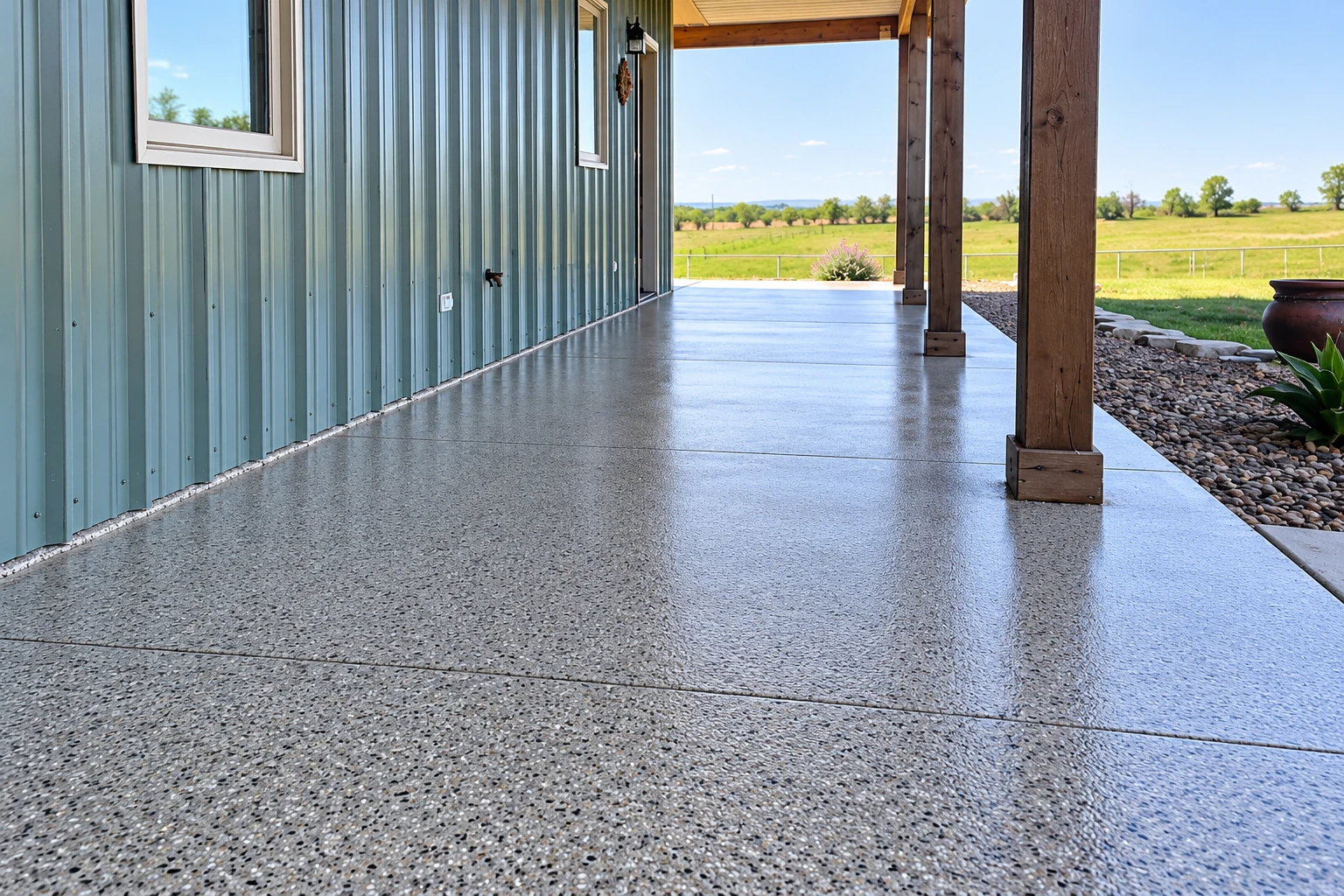
Foundation installation for new homes and additions
Foundation installation is the concrete your house stands on. We build the footings, the wide pads and strips of concrete that spread the weight of the home into the soil, along with the base the walls and support posts sit on. It goes in for a new house, an addition or a rebuild, and everything framed later depends on it.
We handle the whole base. We dig out, pack the ground, build the forms, set the rebar, which is the steel that keeps the concrete from pulling apart, and pour. When your lot calls for a slab, that part matches our slab foundation building work. This page is about choosing the right base and building it.
The price moves with the size of the home, the type of foundation your lot can take, how much digging and hauling the ground needs and whether an earthquake study is part of permitting. The schedule turns on the permit, the inspections and curing, which is the time the concrete needs to gain strength before framing starts. I'll give you your own figure in writing once I've walked the lot.
What foundation installation takes care of
Walls cracking from uneven settling
When one part of a house sinks faster than the rest, the walls above crack and doors start to stick. Footings spread the load over more soil, which limits that kind of uneven settling.
Soft spots under the house
Ground isn't always even underneath. Footings can bridge small areas where the soil has settled, carrying the house across a weak patch instead of letting it sag into it. We look for those spots when we dig out, because that's the only time anyone sees them.
A firm start for the framing
Walls and support posts need something fixed to stand on before anyone can build up. A foundation set square and level gives the framers a true starting line, so the rest of the house goes up the way the plans draw it.
Foundation, footings or something else?
If you're building a new house or an addition and need the whole base under it, that's this job. If all you need is footings for a block wall, a patio cover or a deck, look at concrete footings, which is a smaller job.
If the house is already standing and has started to sink or lean, a new foundation usually isn't the first answer. That calls for foundation raising, where we lift and steady what's already there.
If the concrete will carry cars instead of walls, like a lot for a business or an apartment building, that's concrete parking lot building. Not sure which one fits? Tell me what you're building, and I'll sort it out with you on the walk.
What we settle before we dig
Which foundation your lot takes
I start with your lot, because the ground and the layout decide which kind of foundation makes sense. We walk it together and look at how flat it is, how firm the dirt is and where water goes after rain, before we talk about anything else.
Where the budget goes
Most of a foundation's cost ends up underground, in digging, packing the base and setting steel, and none of it shows once the house is up. If the numbers get tight, I'll help you cut somewhere else, because a weak base is the hardest thing to fix later.
What the estimate includes
I put in writing what's included and what isn't, like hauling off the dirt, the permit and cleanup. Concrete is hard to undo once it's poured, so I'd rather spend a few extra minutes on the details now than leave you with a surprise later.
Building a foundation in Baldwin Park
In Baldwin Park, the city's Building and Safety office issues building permits, checks plans and inspects job sites to make sure the work matches the permit. When your job needs one, we find out which office covers your address and handle the permit as part of the job, so you're not the one standing at the counter.
If you're adding rooms, putting up a back unit or rebuilding on a lot that already had a house, tell us what's going on top, the rough size and anything you've noticed about the ground, like water that sits after rain. We're based in Baldwin Park and do the same work in West Covina, El Monte and the other cities around us.
Questions about new foundations
How much does a home foundation cost in Los Angeles County?
A home foundation in Los Angeles County usually costs about $15 to $25 per square foot for the whole foundation. That's the going rate across the county, not our price, and your lot decides where you land in that range. I'll give you a written figure for your lot after I've seen it.
Should my Baldwin Park lot get a slab or a raised foundation?
A slab suits a level lot with well-packed soil, and a raised foundation suits damp or flood-prone ground. One home services guide says a monolithic slab, with the footings and floor poured as one piece, goes in faster and cuts labor costs considerably. The same guide recommends pier-and-beam, a house set on posts above the dirt, where moisture is a problem, because air moving underneath helps prevent mold.
How do I check if my Baldwin Park address is in an earthquake zone?
Type your address into the state's EQ Zapp map, which shows whether a lot sits in a mapped zone for fault rupture, earthquake landslides or liquefaction, which is when shaking briefly turns soil to something like quicksand. A lot in a zone may need a study of the hazard during permitting, before building starts, so I ask you to look yours up before the estimate.
What license should a foundation contractor have in California?
Look for a contractor licensed for concrete work, which the state licensing board defines as forming, pouring, placing, finishing and installing concrete. Ask each bidder which license covers the pour itself. We're licensed and fully insured, and I'm on site running our crew when the work gets done.
Will a new foundation crack like my old driveway did?
Most concrete picks up a few fine hairline cracks, and the real job is keeping them from turning into the kind that matter. We dig down to firm ground and pack it instead of raking loose dirt level, and we plan pours around the midday heat, since heat leaves a weak top. The cracks to worry about come from uneven settling, and the footings are there to limit it.
Tell us about your foundation job
Send your address, the home's rough square footage and your earthquake zone result. We'll reply within one business day, and I'll walk the lot for a free, no-obligation estimate.
(626) 412-8829Mon–Fri: 6 AM–11 PM, Sat–Sun: 7 AM–11 PM